
Views: 139 Author: Site Editor Publish Time: 2026-03-10 Origin: Site


Kwikstage scaffolding is one of the most popular modular scaffolding systems used globally for various construction, industrial, and maintenance projects. Its modular nature and easy-to-assemble design make it a favorite among contractors and builders. Proper assembly is key to ensuring safety, stability, and efficiency on construction sites.
In this guide, we’ll walk you through the step-by-step process of assembling Kwikstage scaffolding, including the necessary tools, safety precautions, and common mistakes to avoid.
Kwikstage scaffolding is a modular scaffolding system that allows for easy assembly and disassembly, providing a stable working platform for workers at heights. It's made up of various components that are connected using couplers, providing flexibility for different construction and maintenance needs. It is also referred to as a "Kwikstage" system because of its quick and easy installation process.
This system is known for its durability, efficiency, and versatility. The components of the scaffolding system can be assembled in various configurations depending on the type of construction, terrain, and height requirements. The modular design allows contractors to customize scaffolding systems for any project, ensuring a cost-effective solution for different types of tasks.
Feature | Description |
Modular Design | Allows for easy assembly and disassembly, tailored to project needs. |
High Load-Bearing Capacity | Can support heavy loads, making it ideal for large construction sites. |
Versatility | Suitable for residential, commercial, and industrial projects. |
Durability | Made from high-quality steel or galvanized materials for enhanced longevity. |
Safety Features | Designed with guardrails and secure connections to ensure worker safety. |
Kwikstage scaffolding is typically used in a variety of applications, from residential building construction to large industrial projects, providing workers with a secure and stable platform for reaching heights. Its modular components allow for easy adjustments and configurations, making it ideal for projects of all sizes.
Before you begin assembling Kwikstage scaffolding, it’s important to gather the necessary tools and adhere to safety precautions to ensure a smooth and secure setup. Using the right tools not only speeds up the assembly process but also prevents accidents and ensures that the scaffolding is safe to use.
To assemble Kwikstage scaffolding effectively, the following tools are essential:
Wrenches: Used to tighten bolts and couplers to ensure firm connections between scaffolding parts. It’s important to use the correct size of wrench to avoid damaging the fittings.
Level: Ensures the scaffolding is aligned correctly and remains stable during use. A spirit level should be used to check both horizontal and vertical alignment.
Hammer or Rubber Mallet: A hammer or mallet is needed to fit pieces together tightly. A rubber mallet helps prevent damage to the metal parts during assembly.
Safety Harness or Fall Protection Gear: Critical for workers who will be at height during the assembly process. Fall protection gear should always be worn when working above a certain height, as required by local safety regulations.
Safety should always be the top priority when assembling scaffolding:
Proper Footwear: Workers should wear non-slip, sturdy shoes to avoid accidents on uneven surfaces. Non-slip shoes are essential to prevent any accidental slipping when assembling or walking on the scaffolding.
Personal Protective Equipment (PPE): Helmets, gloves, and high-visibility vests are essential for protecting workers on-site. PPE helps reduce the risk of injury from falling tools or materials and ensures visibility in low-light conditions.
Clear the Area: Ensure the assembly site is free from obstructions to prevent accidents during the setup. Clear space also ensures that the scaffolding components can be laid out efficiently for assembly.
Check Components: Inspect all scaffolding parts before assembly to ensure they are in good condition and meet safety standards. Any damaged or worn-out components should be replaced before use to prevent accidents during the construction process.
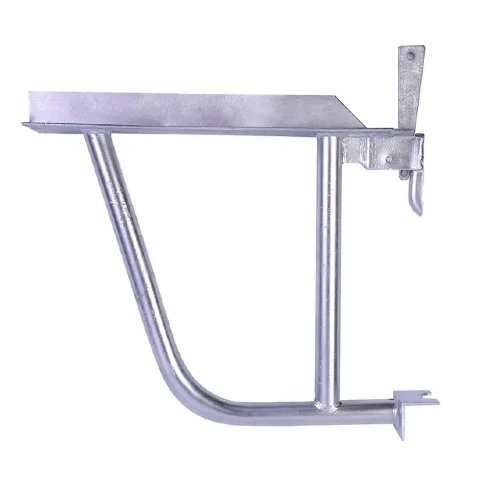
Now, let’s dive into the step-by-step process of assembling Kwikstage scaffolding. It’s important to follow the steps carefully to ensure the structure’s stability and safety. Following the correct procedure will help you avoid mistakes that could compromise the structure or put workers at risk.
The first step in assembling Kwikstage scaffolding is ensuring that the base is solid and stable. This is the most crucial part of the assembly process, as the entire structure will depend on how well the base is set up.
Clear the Area: Remove any debris or obstructions where the scaffolding will be erected. This will provide a safe and clear area for assembly, ensuring there are no risks from trip hazards.
Level the Ground: The ground should be level and firm to prevent any instability in the scaffolding. If the ground is uneven, you may need to use base plates to stabilize the structure. Using a level tool will ensure the base is perfectly aligned.
Install Baseplates: Begin by positioning the baseplates where the scaffolding will be built. These plates are crucial for distributing the weight of the scaffolding evenly across the ground. Baseplates should be securely positioned and checked for alignment before proceeding.
Align the Scaffold Posts: The vertical scaffold posts (also known as standards) should be placed on the baseplates. Ensure they are perpendicular to the ground and spaced at the correct intervals. This alignment will help the scaffold maintain structural integrity as it rises.
Next, you will install the standards (vertical posts) and ledgers (horizontal members that connect the standards). This is a critical step in stabilizing the scaffolding system.
Place the Standards: Start by placing the vertical standards at regular intervals, ensuring that they are perfectly aligned. The standards provide the vertical support for the scaffolding structure.
Fix the Ledgers: Attach the horizontal ledgers at the required heights. Use couplers to secure the ledgers to the standards. The ledgers provide structural integrity to the scaffolding system, and proper alignment is crucial for a stable structure.
Transoms are horizontal beams that provide additional support, and braces add stability to the overall structure. Properly installed braces and transoms ensure that the scaffolding can bear the loads placed on it.
Install the Transoms: The transoms are placed horizontally between the standards. Secure them using the appropriate couplers. These transoms provide the necessary strength and stability to the scaffold platform.
Add Braces: Diagonal braces should be installed to further strengthen the structure. These braces should be positioned in a crisscross pattern to ensure maximum stability. Diagonal braces help prevent the scaffold from swaying or shifting under heavy loads.
The next step is to install the working platforms, which will be the surface where workers will stand. These platforms must be securely placed to ensure safety during use.
Place the Decking or Planks: The decking or wooden planks should be laid across the transoms. Ensure the boards are level and evenly spaced. The platforms should be placed with enough space for workers to move and work efficiently.
Secure the Platforms: Once the decking is in place, secure it with additional clamps or couplers to prevent any movement. The platforms should not shift under weight and should remain stable throughout the duration of the project.
Check for Level Alignment: It’s crucial that the working platforms are level to avoid accidents. Use a level to check that each platform is aligned properly before allowing workers to use it.
To ensure safety during construction, guardrails and other safety features must be installed on the scaffolding.
Install Guardrails: Attach guardrails along the edges of the scaffolding to prevent workers from falling. Ensure that they are securely fixed and positioned at the correct height. The guardrails should be installed at a height that complies with safety standards.
Add Toe Boards: Install toe boards at the base of the platform to prevent tools or materials from falling off the scaffolding. These toe boards should be securely attached to prevent any items from slipping off.
Secure All Components: Double-check that all parts of the scaffolding are tightly secured and stable. Ensure that there are no loose connections that could compromise the scaffolding’s structural integrity.
Before allowing workers to use the scaffolding, perform the final checks:
Inspect Stability: Ensure that all components are tightly connected and that the structure is stable. Test the scaffolding by gently pushing it to check for any wobbling. If the scaffolding moves, it may need further adjustments.
Verify Load Capacity: Make sure the scaffolding can safely handle the expected load by consulting the manufacturer’s guidelines. Overloading scaffolding can lead to failure and pose significant risks to workers.
Safety Inspection: Conduct a safety inspection to ensure that no parts are missing or damaged, and that the structure complies with local safety standards. Safety checks should be done at regular intervals during the project.
Efficient assembly can save time and improve safety. Here are some tips to make the process smoother:
Break the Assembly into Stages: Divide the assembly process into manageable stages to keep the team organized. This allows workers to focus on one part of the structure at a time and reduce confusion during assembly.
Assign Specific Tasks: Ensure each team member knows their responsibility, whether it’s placing standards, attaching ledgers, or securing transoms. A clear division of labor ensures the assembly process goes smoothly.
Organize Components: Group components by size and function to make them easy to access during the assembly. This reduces downtime spent searching for parts and allows for a faster assembly process.
Inspect Parts Before Use: Check each piece for signs of wear or damage before installation to avoid delays or safety issues. Any damaged parts should be replaced immediately.
To ensure the scaffolding is assembled safely and effectively, avoid these common mistakes:
Skipping Safety Measures: Always wear PPE and ensure the site is properly secured before beginning the assembly. Neglecting safety protocols can lead to serious accidents.
Incorrect Alignment: Misaligned standards or ledgers can compromise the structure’s stability. Always check alignment before tightening connections. If any part is misaligned, it should be corrected immediately to avoid destabilizing the structure.
Neglecting Final Inspections: Failing to conduct a thorough inspection before use can lead to dangerous situations. Never skip the final checks to ensure that the scaffolding is secure and stable.
Assembling Kwikstage scaffolding requires careful attention to detail, the right tools, and adherence to safety guidelines. By following these steps and tips, you can ensure that the scaffolding is securely and efficiently set up, allowing workers to perform their tasks safely at height. Remember to regularly inspect the scaffolding throughout the project and ensure all components are in top condition.
For more information on high-quality Kwikstage scaffolding solutions, visit Anhui Changqing Technology Co., Ltd., the trusted provider of top-tier scaffolding systems.
Kwikstage scaffolding is a modular, versatile system designed for easy assembly and disassembly. It is highly durable, supports heavy loads, and can be adapted to various project needs, making it ideal for construction, industrial, and maintenance applications.
The weight capacity of Kwikstage scaffolding depends on the configuration, but it is typically designed to support up to 2 tons per platform. Always refer to the manufacturer’s specifications for precise load limits.
The time required to assemble Kwikstage scaffolding varies based on the size of the structure. For small to medium setups, it can typically be completed in a few hours with a skilled team.
Yes, Kwikstage scaffolding is versatile and can be used for both indoor and outdoor projects. It is commonly used in construction sites, maintenance jobs, and industrial applications, providing a stable platform for workers.


