
Views: 184 Author: Site Editor Publish Time: 2026-01-12 Origin: Site


In the construction of high-rise buildings, scaffolding is an essential component that ensures the safety of workers and provides support during construction activities at elevated heights. Among the various scaffolding systems available, hot dip galvanized ringlock scaffolding has emerged as a popular choice due to its superior durability, flexibility, and safety features. This article will guide you through the process of designing a safe hot dip galvanized ringlock scaffolding system specifically for high-rise buildings, covering everything from the fundamental concepts to the necessary safety protocols.
The main objective of scaffolding in high-rise construction is to provide a secure and stable platform for workers to perform their tasks. Hot dip galvanized ringlock scaffolding provides these benefits while offering added features such as corrosion resistance, long-term durability, and ease of assembly. By following the design guidelines in this article, construction teams can ensure both safety and efficiency throughout the project.
Hot dip galvanized ringlock scaffolding is a modular scaffolding system composed of several key components, such as vertical posts, horizontal ledgers, diagonal braces, base jacks, and platform boards. These components are interconnected using a unique ringlock mechanism, which features a rosette (a round, ring-shaped connector) that locks the scaffold components securely together.
Hot dip galvanization refers to the process in which steel components are coated with a layer of molten zinc. This coating serves as a protective layer, significantly improving the corrosion resistance of the scaffolding system and extending its useful life, even in harsh weather conditions. Hot dip galvanized scaffolding systems are widely used in high-rise construction, as they offer enhanced durability and safety compared to traditional scaffolding options.
The components of a hot dip galvanized ringlock scaffolding system include:
Vertical Posts (Standards): These are the vertical components that provide the primary support for the scaffolding structure.
Horizontal Ledgers: These are the horizontal bars that connect vertical posts and provide stability.
Diagonal Braces: These braces are essential for providing additional stability and reducing lateral movement of the scaffold.
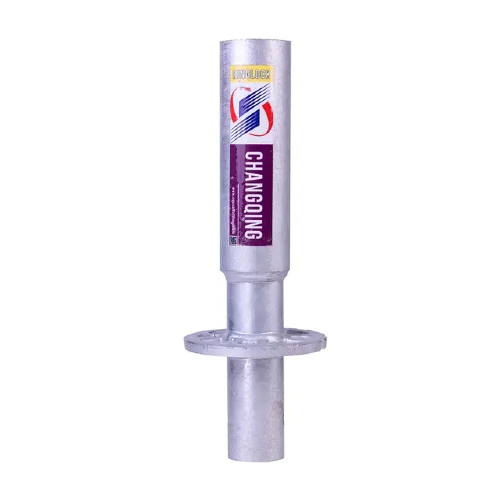
Base Jacks: Base jacks are used to adjust the height and level of the scaffolding, especially on uneven ground.
Rosettes: The rosettes are the locking mechanisms used to secure the vertical posts, horizontal ledgers, and diagonal braces.
The galvanization process involves dipping steel scaffolding components into molten zinc to form a protective coating. This process provides the scaffolding with superior resistance to corrosion, which is especially important in high-rise buildings that are exposed to environmental elements such as rain, wind, and pollutants. As a result, hot dip galvanized ringlock scaffolding lasts much longer and requires less maintenance than non-galvanized scaffolding systems, making it an ideal choice for large-scale construction projects.
One of the most critical aspects of designing a scaffolding system for high-rise buildings is ensuring that it can support the weight of workers, materials, tools, and other equipment. Hot dip galvanized ringlock scaffolding is designed to bear significant loads, making it well-suited for high-rise construction where heavy materials need to be lifted and supported at various heights.
To calculate the load-bearing capacity of the scaffolding system, engineers must consider the following factors:
Total weight of workers: Including the number of workers expected to be on the scaffold at any given time.
Weight of materials: Such as construction equipment, tools, and building materials.
Dynamic loads: Factors like wind and seismic activity that can affect the stability of the scaffolding.
Properly calculating the load-bearing capacity ensures that the scaffolding is safe and stable throughout the construction process.
The height of the scaffolding is another crucial consideration in designing a hot dip galvanized ringlock scaffolding system for skyscraper construction. As the building rises, scaffolding must be extended to provide continuous access for workers. Adjustable components, such as base jacks and vertical posts, allow for the scaffolding to be customized to different heights and ground conditions, providing the necessary stability at each level.
The stability of the scaffolding system is essential for preventing structural collapse. The ringlock mechanism ensures that all components remain tightly connected, while diagonal braces and horizontal ledgers further enhance the stability of the system. This makes hot dip galvanized ringlock scaffolding a highly stable solution for high-rise buildings, even in challenging conditions.
Before designing the scaffolding system, a site survey must be conducted to assess the ground conditions and environmental factors. This survey should consider:
Consideration |
Details |
Ground Stability |
Ensure that the ground is level and firm enough to support the scaffolding system. Uneven ground may require base plates or adjustable jacks. |
Wind and Weather Conditions |
High winds, heavy rain, and extreme temperatures can all affect the stability of scaffolding, so the system must be designed to withstand these conditions. |
Obstacles |
Identify any overhead hazards, such as power lines or cranes, that could pose risks to workers during scaffolding assembly and disassembly. |
By thoroughly assessing the site, designers can ensure that the scaffolding system will be safe and suitable for the specific construction environment.
Choosing high-quality materials is essential for ensuring the structural integrity of the scaffolding system. Hot dip galvanized ringlock scaffolding components should be sourced from reputable manufacturers and inspected for defects before assembly. It is crucial to select components that are compliant with international safety standards, such as OSHA (Occupational Safety and Health Administration) and EN 12810/12811, to ensure the system’s strength and durability.
The load requirements of the scaffolding system must be accurately calculated based on the expected number of workers, materials, and equipment that will be supported by the scaffold at various heights. Engineers should use structural formulas to calculate the maximum load capacity and ensure that the scaffolding system can bear these loads safely. This step is crucial for preventing accidents or system failure during construction.
The assembly process for hot dip galvanized ringlock scaffolding should follow a strict sequence of steps to ensure the system’s stability and safety. Key considerations during assembly include:
Securing all components: Ensure that vertical posts, horizontal ledgers, and diagonal braces are properly locked into place using the ringlock mechanism.
Safety protocols: Workers should wear appropriate personal protective equipment (PPE), including helmets, gloves, and harnesses.
Locking rosettes and connecting braces: Ensure that all rosettes are securely locked and that diagonal braces are properly positioned to prevent lateral movement.
When designing a scaffolding system for high-rise buildings, it is essential to comply with local and international safety standards. For example:
OSHA Regulations: OSHA sets specific guidelines for scaffolding systems, including requirements for load-bearing capacity, guardrails, and platform construction.
EN 12810/12811: These European standards provide technical specifications for scaffolding design and safety, ensuring that the system is suitable for high-rise applications.
By ensuring compliance with these standards, designers can avoid legal liabilities and ensure the safety of workers on the scaffold.
Even after the scaffolding system is designed and assembled, it is important to conduct regular inspections to ensure that it remains in good condition throughout the construction project. Inspections should be carried out at the following intervals:
Daily inspections: Before workers begin their tasks, the scaffolding should be inspected to check for any loose components or safety hazards.
After modifications: Any time the scaffolding system is altered, whether it’s being extended or adjusted, it should undergo a thorough inspection to ensure safety.
One of the key benefits of hot dip galvanized ringlock scaffolding is its ability to withstand the harsh conditions often encountered in high-rise construction. The galvanization process ensures that the scaffolding components are resistant to rust and corrosion, even when exposed to rain, humidity, and pollution. This durability makes it the ideal choice for skyscraper projects located in challenging environments.
Although the initial cost of hot dip galvanized scaffolding may be higher than other systems, its long lifespan and low maintenance requirements make it a cost-effective option for high-rise buildings. Fewer replacements and repairs mean reduced overall project costs, while its modular design allows for quick assembly and disassembly, further saving time and labor expenses.
The modular design of hot dip galvanized ringlock scaffolding allows for easy adjustments to the system as the construction progresses. As skyscrapers grow taller, the scaffolding system can be easily extended to provide continuous access at higher levels. The system’s ability to adapt to complex designs, irregular shapes, and uneven ground makes it ideal for a variety of high-rise building types.
Worker safety is a top priority in high-rise construction. The ringlock system provides secure connections and stable platforms, reducing the risk of scaffold collapse. Guardrails and toe boards can be easily integrated into the design to provide additional protection for workers at height.
Hot dip galvanized ringlock scaffolding offers significant advantages for designing safe and efficient scaffolding systems for high-rise buildings. With its excellent load-bearing capacity, durability, flexibility, and modular design, it is the ideal solution for skyscraper projects requiring secure access at elevated heights.
By following the design guidelines outlined in this article, construction companies can ensure the safety of their workers while optimizing costs and ensuring the long-term success of their high-rise projects. The durability and flexibility of hot dip galvanized ringlock scaffolding provide a reliable platform that adapts to the evolving needs of skyscraper construction.
At Anhui Changqing Technology Co., Ltd., we specialize in providing high-quality hot dip galvanized ringlock scaffolding systems tailored for skyscraper projects. Our solutions are designed to meet the most demanding construction requirements, ensuring that safety and efficiency are always prioritized. If you're planning a high-rise construction project, we invite you to contact us to learn more about our scaffolding solutions and how we can support the success of your project. We're committed to delivering reliable and secure scaffolding systems for your needs.
Why is hot dip galvanized ringlock scaffolding ideal for high-rise buildings?
Its corrosion-resistant properties, high load-bearing capacity, and modular design make it perfect for the demands of high-rise construction, providing secure access for workers and supporting heavy materials.
How can I calculate the load-bearing capacity of hot dip galvanized ringlock scaffolding?
Engineers use structural formulas to assess the total weight that the scaffolding will support, including workers, tools, and materials, ensuring the system can bear these loads safely.
What safety features should be incorporated into a high-rise scaffolding system?
Safety features include guardrails, toe boards, secure connections, and regular inspections to prevent falls and ensure stability.
How often should hot dip galvanized ringlock scaffolding be inspected?
Scaffolding should be inspected daily and after any modifications to ensure it remains secure and safe throughout the construction process.
Is hot dip galvanized ringlock scaffolding cost-effective for skyscraper construction?
Yes, while the initial cost may be higher, the long lifespan, low maintenance needs, and quick assembly make it a cost-effective solution in the long term.


