
Views: 165 Author: Site Editor Publish Time: 2026-02-26 Origin: Site


Kwikstage scaffolding is one of the most widely used modular scaffolding systems in the construction industry. Its modular nature, combined with the ease of assembly and disassembly, has made it the preferred choice for many builders and contractors worldwide. Whether you're working on a small residential project or a large industrial site, understanding the components and structural design of Kwikstage scaffolding is crucial for safe and effective use.
This guide provides a detailed explanation of the key components that make up Kwikstage scaffolding and the structural design principles behind it. With a clear understanding of how each part contributes to the stability, load-bearing capacity, and safety of the scaffold, you will be better equipped to assemble and maintain Kwikstage scaffolding for any project.
Kwikstage scaffolding is a modular scaffolding system that allows for quick assembly and disassembly, making it ideal for projects that require both efficiency and flexibility. The system consists of several components, including vertical posts, horizontal beams, transoms, braces, and safety features like guardrails, all of which work together to provide a stable and secure platform for workers at height.
Kwikstage scaffolding is designed with a modular approach, which means that the components can be easily assembled, adjusted, and disassembled as needed. This modularity not only speeds up the assembly process but also allows the scaffolding to be adapted to different types of projects and construction environments.
Modular Design: The modular nature allows the scaffold to be easily expanded or modified according to the project’s requirements.
Durability: Made from high-strength steel or galvanized materials, Kwikstage scaffolding is designed to withstand heavy loads and harsh environmental conditions.
Flexibility: Whether it’s a small-scale renovation or a large commercial construction, Kwikstage scaffolding can be customized to fit the needs of any project.
Kwikstage scaffolding is favored by construction professionals worldwide for its ease of use, reliability, and ability to support a wide range of construction tasks. Here are some key reasons why it is widely used:
Speed of Assembly and Disassembly: Kwikstage scaffolding components are designed for quick assembly, reducing the amount of labor and time required to set up the scaffold.
Flexibility: The modular system can be used in various configurations, allowing for use in both indoor and outdoor environments.
Cost-Effectiveness: By reducing labor time and allowing for reusable components, Kwikstage scaffolding offers a cost-effective solution for many construction projects.
Understanding the core components of Kwikstage scaffolding is essential for its proper use and safety. The main components include standards, ledgers, transoms, braces, and decking, each of which plays a critical role in the structure's overall performance.
Definition: Standards are the vertical posts that provide the primary support for the entire scaffolding structure. These posts are placed in a line along the perimeter of the scaffold, ensuring stability and load distribution.
Material: Most standards are made from galvanized steel, which provides strength and resistance to corrosion, ensuring the scaffolding remains durable and safe for extended periods.
Importance: The standards bear the weight of the entire scaffolding structure, transferring the load down to the base plates. The vertical alignment of these posts is crucial for the scaffold's stability.
Definition: Ledgers are horizontal beams that connect the vertical standards, forming the primary framework of the scaffolding. They run across the scaffold and support the transoms and working platforms.
Function: Ledgers provide horizontal stability to the scaffold, preventing it from swaying or becoming unstable.
Coupler Attachment: The ledgers are attached to the standards using couplers or clamps, ensuring secure connections.
Definition: Transoms are horizontal beams placed across the scaffold between standards. They support the working platforms and provide additional structural support.
Placement: Transoms are installed in between the standards at regular intervals to ensure that the weight is evenly distributed across the entire scaffold.
Importance: Transoms play a vital role in maintaining the integrity of the platform by preventing bending or buckling under load.
Definition: Braces are diagonal supports used to provide additional stability and prevent lateral movement or sway of the scaffold.
Role in Stability: Braces prevent the scaffold from shifting or tilting, especially when exposed to wind or other external forces. They help keep the structure rigid and aligned.
Types of Bracing: Braces are typically installed in a cross-bracing pattern, which further enhances the scaffold’s stability.
Definition: Decking or working platforms are the horizontal surfaces where workers stand and perform their tasks. These platforms are supported by the transoms and need to be secure and stable.
Materials: Decking is often made from steel or timber boards, depending on the project requirements.
Importance: The platform is the primary area for worker activity, so it must be level, non-slip, and capable of supporting the workers’ weight and any tools or materials they are using.
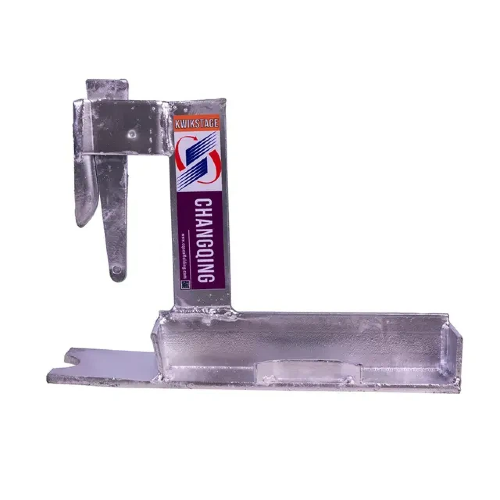
Kwikstage scaffolding's design is built for strength, safety, and efficiency. The system is engineered to support heavy loads while providing a safe working environment for construction workers. Understanding how these components fit together in the overall structural design will help ensure the scaffolding’s stability.
Base Setup: The scaffolding assembly begins with setting up the baseplates. These baseplates distribute the weight of the scaffolding evenly across the ground.
Vertical and Horizontal Connections: The standards are placed in position first, followed by the attachment of the ledgers. Transoms are then added to create a solid platform.
Diagonal Bracing: After the basic structure is in place, braces are installed to add stability and prevent lateral movement.
Platform Installation: Finally, decking is placed across the transoms to provide a solid and safe working platform.
Kwikstage scaffolding is designed to bear heavy loads, with the weight distributed evenly through the standards and transoms. The scaffolding's design ensures that the load is spread across the entire structure, reducing the likelihood of overloading any single component.
Load-Bearing Components: The standards bear most of the load, while the ledgers and transoms help distribute the weight evenly.
Guidelines: Always consult the manufacturer’s load-bearing guidelines to ensure that the scaffolding is not overloaded. Exceeding the weight limit can result in structural failure and pose significant risks to workers.
Proper alignment and secure connections are critical to the scaffolding's structural integrity. Misaligned components can lead to instability and increase the risk of accidents. The following points are essential to proper assembly:
Vertical Alignment: Ensure the standards are perfectly vertical to avoid leaning.
Horizontal Stability: The ledgers and transoms must be securely attached to prevent any lateral movement.
Secure Couplings: All couplers and clamps must be tightly secured to ensure a solid connection between components.
Kwikstage scaffolding’s design provides several advantages that make it ideal for various construction tasks. These advantages include safety, speed, efficiency, and adaptability.
Feature |
Benefit |
Guardrails and Toe Boards |
Built-in features to prevent workers from falling and keep materials from slipping off the scaffold. |
Secure Connections |
Couplers ensure all components are tightly connected, reducing risk of instability. |
Heavy Load Support |
Designed to support heavy loads, providing safety even in large-scale projects. |
Modular Components: The modular design of Kwikstage scaffolding makes it quick and easy to assemble and disassemble. Components can be added or removed as needed, allowing for flexible configurations.
Labor Reduction: Due to the easy assembly, the time spent setting up and dismantling the scaffolding is significantly reduced, which lowers labor costs.
Kwikstage scaffolding can be adapted to meet the needs of different construction projects, from small residential buildings to large industrial projects. The system’s modular components can be customized to fit the dimensions and height requirements of any project.
While assembling Kwikstage scaffolding, it's important to avoid common mistakes that could compromise the structure’s integrity.
Improper placement of standards, ledgers, or transoms can affect the entire structure’s stability. Always ensure that components are aligned correctly before tightening couplers.
Exceeding the weight capacity of the scaffolding can cause structural failure. Always adhere to the load-bearing guidelines specified by the manufacturer.
Bracing is crucial for stabilizing the scaffold. Skipping the bracing or incorrectly installing braces can lead to lateral movement and compromise safety.
Proper maintenance and regular inspections are necessary to ensure that Kwikstage scaffolding remains safe and functional throughout its use.
Before each use, inspect all scaffolding components for signs of wear, rust, or damage. Ensure that all components are securely connected and that no parts are missing.
After each use, clean the components to prevent the buildup of dirt, grease, or other substances that could compromise their function. When not in use, store scaffolding components in a dry, secure location to prevent damage.
Kwikstage scaffolding is a vital solution for construction, providing superior safety, stability, and flexibility across a wide range of applications. Understanding its key components and structural design is essential to ensuring safe and efficient assembly. By adhering to proper assembly guidelines and conducting regular inspections, you can significantly enhance the performance and safety of your scaffolding system.
At Anhui Changqing Technology Co., Ltd., we specialize in high-quality Kwikstage scaffolding and offer expert guidance on the best practices for setup and maintenance. Our team is committed to helping you achieve a reliable, safe, and cost-effective scaffolding solution tailored to your project’s specific needs. Whether you are undertaking a large-scale construction project or a smaller renovation, we are here to provide you with the support and products you need. Feel free to contact us for more information on our scaffolding systems and how we can assist you with your next project.
Kwikstage scaffolding stands out because of its modular design, which allows for quick assembly and disassembly. Unlike traditional scaffolding systems, Kwikstage is highly adaptable to different project requirements and provides enhanced stability and safety features. It is also easy to transport and store, making it ideal for construction sites of all sizes.
Kwikstage scaffolding is primarily made from galvanized steel, which is durable, corrosion-resistant, and capable of handling heavy loads. This material ensures the scaffolding remains functional and strong throughout the construction process, even in harsh weather conditions.
Proper weight distribution is key to ensuring the stability of the scaffolding. Make sure that the standards, ledgers, and transoms are installed correctly and securely. Always refer to the manufacturer’s guidelines for load-bearing capacities and ensure that no individual component is overloaded.
Kwikstage scaffolding should be inspected before each use to check for any damage or wear. Regular inspections should focus on checking for rust, loose components, and any signs of stress in the structure. Additionally, scaffolding should be inspected after any significant weather event, such as storms, to ensure its safety.
Yes, Kwikstage scaffolding is designed to be versatile and can be used in both indoor and outdoor environments. Whether it's for a construction site, maintenance work, or industrial use, Kwikstage can be adapted to different project needs, including those in confined or open spaces.


