
Views: 142 Author: Site Editor Publish Time: 2026-01-19 Origin: Site


Hot dip galvanized ringlock scaffolding is one of the most widely used and reliable scaffolding systems in the construction industry. Its durability, ease of assembly, and corrosion resistance make it an ideal choice for large-scale projects. This article will guide you through the safe installation process of hot dip galvanized ringlock scaffolding on large construction sites, ensuring that workers are protected and the structure is stable for efficient construction work.
Scaffolding is essential for providing safe access to workers and materials in elevated areas of construction projects. Improper installation, however, can lead to accidents, delays, and potential legal consequences. By following the proper installation methods and safety protocols outlined here, you can ensure that your hot dip galvanized ringlock scaffolding will meet both safety and performance standards.
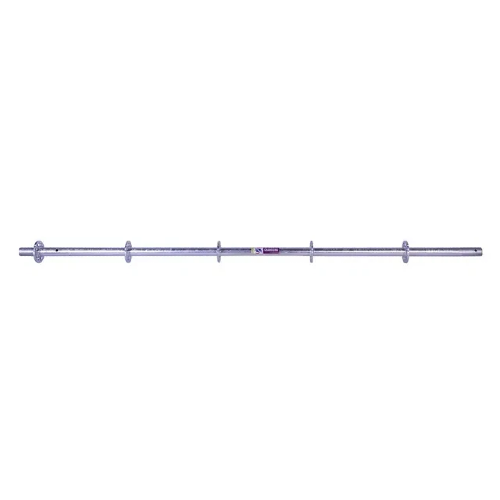
Hot dip galvanized ringlock scaffolding is a modular system designed to provide versatile and secure access for workers and materials at construction sites. It consists of several key components including vertical posts (standard tubes), horizontal ledgers, diagonal braces, base jacks, and platforms.
Hot Dip Galvanization is the process of coating metal components with a layer of zinc through a dipping process, which significantly enhances their resistance to corrosion. This feature makes hot dip galvanized ringlock scaffolding especially suitable for long-term use in harsh weather conditions and environments that are prone to rust.
Benefit | Description |
Durability | The hot dip galvanization provides superior protection against rust and corrosion, ensuring a longer lifespan for scaffolding components, reducing maintenance costs. |
Ease of Assembly | The modular design allows for quick assembly and disassembly, which speeds up the construction process. |
Enhanced Safety | The ringlock system features secure and stable connections, minimizing the risk of accidents and ensuring the structure remains intact under heavy loads. |
Versatility | Suitable for a variety of construction projects, including high-rise buildings, bridges, tunnels, and temporary structures like stages or event platforms. |
Cost-Effectiveness | Due to its long-lasting nature and low maintenance costs, the system offers a high return on investment, especially for large projects with extensive scaffolding needs. |
Ensuring the safety of workers during scaffolding installation is critical. Several international standards and regulations govern scaffolding installation to minimize risks and ensure stability. The most widely recognized standards include:
OSHA (Occupational Safety and Health Administration) - In the United States, OSHA outlines strict guidelines for scaffold construction and safety, including the required use of guardrails, proper platform decking, and secure base support.
EN 12810 and EN 12811 - These European standards provide technical specifications for scaffolding systems, ensuring they meet minimum safety and performance requirements.
ISO 9001 - Quality management system certification that helps ensure the scaffolding system’s production adheres to safety and quality standards.
Design Requirements: Scaffolding must be designed to support the intended load, including materials and workers. Hot dip galvanized ringlock scaffolding is particularly suited to meet these load-bearing requirements.
Inspection Protocols: Scaffolds must undergo regular inspections, especially after setup and any modifications, to ensure they remain in safe working condition.
Fall Protection: Guardrails, toe boards, and other fall protection devices must be installed at the edges of platforms to protect workers from falling.
By adhering to these regulations and standards, construction sites can mitigate the risks of scaffolding-related accidents.
Before beginning the installation of hot dip galvanized ringlock scaffolding, it is essential to perform a thorough site assessment. This includes:
Assessing the Ground Condition: The foundation of the scaffold must be level and firm. If the ground is uneven, appropriate measures such as base plates or adjustable screw jacks should be used to ensure a stable base.
Identifying Risk Zones: Any overhead hazards such as power lines or cranes should be marked clearly. High-traffic areas where workers may be exposed to falling materials should be cordoned off.
Weather Considerations: Extreme weather conditions, such as high winds or heavy rain, should be taken into account, as they can affect the stability of the scaffolding.
To ensure safety and compliance with regulations, the correct materials must be selected for the installation of hot dip galvanized ringlock scaffolding. Key materials include:
Ringlock Posts: Ensure that the vertical posts are of the appropriate length and thickness for the structure’s height and load-bearing requirements.
Horizontal Ledgers and Braces: These components are essential for connecting the vertical posts and stabilizing the scaffolding.
Base Jacks: To provide support and adjust the height of the scaffolding for uneven ground conditions.
Using quality materials that are in good condition is crucial to maintaining the structural integrity of the scaffold.
Before beginning installation, all workers should be equipped with Personal Protective Equipment (PPE), including hard hats, gloves, safety shoes, and harnesses. Ensure that the worksite is free of debris and that all tools are in working order.
Start by positioning and securing the base plates or jack bases. These components will provide a stable foundation for the vertical posts. It is crucial to ensure that the base is level before continuing.
Begin by attaching the vertical posts to the ringlock rosettes. The posts should be connected at multiple points to ensure stability.
Check that the posts are vertically aligned using a spirit level.
Attach the horizontal ledgers to the vertical posts, ensuring that they are secured properly.
Diagonal braces should be installed to prevent the scaffold from swaying and to ensure the structure's overall rigidity.
Install working platforms (boards or planks) to provide a safe working surface for the construction crew.
Set up guardrails on all open sides of the scaffolding to prevent falls.
Once the scaffolding is assembled, conduct a thorough inspection. Check all connections, ensuring that all locking mechanisms are secure, and verify that the platform is level. Make sure that all safety devices, such as guardrails and toe boards, are correctly installed.
Teamwork: Scaffold installation should be done by a qualified team of workers, each responsible for a specific task.
Qualified Supervisor: A scaffold supervisor should be present on-site to oversee the entire installation process and ensure compliance with safety protocols.
Regular Inspections: Scaffolding should be inspected periodically throughout the installation and during the construction process to ensure that it remains in good condition.
Overloading scaffolding beyond its designated capacity can cause it to collapse. Always check the load ratings and avoid placing excessive weight on the scaffold.
If the scaffolding is not properly anchored, it can shift or tip over. Ensure that the scaffold is anchored securely to prevent movement.
Using the wrong connectors, fittings, or materials can compromise the stability of the scaffold. Always use the correct components for each part of the scaffold and follow manufacturer guidelines.
Proper installation of hot dip galvanized ringlock scaffolding provides numerous benefits:
Increased Safety: Following the correct installation procedures ensures a safe working environment for all workers involved.
Cost Efficiency: The durability and low maintenance needs of the system reduce long-term costs, making it a cost-effective solution for large projects.
Compliance: By adhering to safety standards, you ensure that your project meets legal requirements and avoids potential fines or delays.
Hot dip galvanized ringlock scaffolding is an essential component for construction projects, providing a robust and secure solution for accessing elevated areas. Proper installation and strict adherence to safety protocols are vital to ensuring the scaffold remains stable and secure throughout the construction process. By following the best practices outlined in this guide, you can ensure a safe and efficient setup of hot dip galvanized ringlock scaffolding on your site, minimizing risks and enhancing productivity.
At Anhui Changqing Technology Co., Ltd., we specialize in high-quality hot dip galvanized ringlock scaffolding solutions designed to meet the demanding needs of large construction projects. Our experienced team is committed to providing top-tier scaffolding systems that are durable, easy to assemble, and compliant with international safety standards. For more information on our products and services, or to discuss your specific project requirements, feel free to contact us. We’re here to help you ensure the safety and success of your next construction endeavor.
What makes Hot Dip Galvanized Ringlock Scaffolding different from other scaffolding systems?
Hot dip galvanization provides enhanced corrosion resistance, making it more durable and suitable for long-term use in harsh environmental conditions.
How can I ensure that my Ringlock scaffolding is safely installed?
Always follow the correct installation procedures, conduct site assessments, and ensure that the scaffold is level and properly anchored.
What are the most common mistakes in scaffolding installation?
Common mistakes include overloading the scaffold, incorrect fitting of components, and neglecting to secure guardrails.
How often should scaffolding be inspected during a project?
Scaffolding should be inspected regularly, especially after any alterations, or extreme weather conditions.
Can Hot Dip Galvanized Ringlock Scaffolding be used for all types of construction projects?
Yes, it is suitable for various projects, including high-rise buildings, bridges, and temporary structures.


