
Views: 157 Author: Site Editor Publish Time: 2026-08-17 Origin: Site


Procuring scaffolding is not a simple commodity purchase. It is a critical infrastructure investment where failure results in catastrophic safety incidents, legal liability, and severe project delays. Distinguishing between high-grade and substandard equipment presents a major challenge on site. Visual inspections alone cannot reveal compromised steel quality, weak welding joints, or inadequate galvanizing. You need a reliable method to verify structural integrity before materials arrive at the job site.
This article provides a systematic, evidence-based evaluation framework. Procurement managers and site engineers can use these criteria to assess any Ringlock Scaffolding system before committing to a purchase. You will learn exactly what technical specifications to demand, how to verify manufacturing tolerances, and ways to mitigate implementation risks.
Material Grade Dictates Lifespan: High-yield structural steel (e.g., Q345) combined with hot-dip galvanizing is non-negotiable for heavy duty scaffolding applications.
Precision Engineering Prevents Failure: The structural integrity of a Ringlock system relies entirely on the exact tolerances of its rosettes, ledger ends, wedge pins, and welding joints.
Compliance is Mandatory, Not Optional: Valid, verifiable third-party testing (EN, OSHA, or ANSI standards) must back up all manufacturer load capacity claims.
Supplier Support Mitigates Project Risk: A reliable scaffolding supplier must provide not only quality QA/QC documentation but also engineering design capabilities and system-wide accessory compatibility.
Substandard steel directly reduces the load-bearing capacity of the scaffold. It leads to early deformation under heavy loads and compromises worker safety. You must evaluate the exact steel grades used in the manufacturing process. Standard carbon steel (Q235) offers basic strength, but high-strength low-alloy structural steel (Q345 or Q355) provides superior yield strength. Q345 remains the industry standard for vertical standards in Heavy duty scaffolding. It resists bending and buckling under extreme vertical pressure.
Surface treatment dictates the operational lifespan of the equipment. Hot-dip galvanizing outperforms painted or electro-galvanized finishes in harsh construction environments. The hot-dip process submerses the steel in molten zinc, coating both the interior and exterior of the tubes. You should specify a minimum zinc coating thickness of 80 microns. This robust layer protects the steel from internal and external corrosion, ensuring long-term structural reliability.
When evaluating steel quality, request mill test certificates directly from the steel manufacturer. These documents confirm the chemical composition and mechanical properties of the raw material. Look for the carbon equivalent value, which affects weldability. High carbon content makes the steel brittle and prone to cracking at the heat-affected zone during welding. Q345 steel strikes the right balance, offering high tensile strength while maintaining excellent weldability.
The galvanizing process itself requires strict quality control. The steel tubes must undergo proper surface preparation, including degreasing, pickling, and fluxing, before entering the zinc bath. Inadequate preparation leads to poor zinc adhesion, resulting in flaking and premature rust. Inspect the finished components for a smooth, uniform coating. Avoid batches with excessive zinc runs, dross inclusions, or bare spots. These defects compromise the protective barrier and accelerate degradation on site.
Consider the environmental conditions of your project site. Coastal areas with high salinity or industrial sites with chemical exposure demand superior corrosion resistance. In these scenarios, a thicker zinc coating or specialized marine-grade finishes may be necessary. Always consult with your engineering team to determine the appropriate surface treatment based on the specific environmental hazards present at your location.
Specification | Standard Carbon Steel (Q235) | High-Strength Steel (Q345/Q355) |
|---|---|---|
Yield Strength | 235 MPa | 345 - 355 MPa |
Primary Application | Ledgers, diagonal braces, minor components | Vertical standards, heavy load-bearing uprights |
Deformation Resistance | Moderate | High |
Weight-to-Strength Ratio | Standard | Optimized (Lighter for same strength) |
The modular nature of this system requires absolute precision. Poor manufacturing tolerances lead to unstable structures and drastically increase erection time. Workers struggle to connect misaligned parts, causing delays and forcing improper assembly. You must inspect the rosette and ledger end specifications carefully. Rosette thickness typically ranges from 8mm to 10mm. The casting quality of ledger heads and diagonal brace ends must be smooth, uniform, and free of defects.
Evaluate the locking pin mechanism of the ledger head. Captive wedge pins are essential. They remain permanently attached to the ledger, preventing loss on-site. This design ensures secure, self-locking connection integrity even under heavy vibration from nearby machinery. Standard requirements for tube dimensions dictate an outer diameter of 48.3mm and a wall thickness of 3.2mm or 3.25mm. Deviations of even 0.2mm compromise the structural calculations and reduce overall stability.
Welding joint integrity requires strict scrutiny. Automated or robotic welding provides consistency that manual welding cannot match. You must inspect weld penetration, avoid porosity, and check for slag inclusion. Furthermore, evaluate whether the manufacturer offers a complete range of Scaffolding components. A complete system includes non-slip steel planks, internal access ladders, stairways, base collars, and toe boards. This ensures seamless geometric compatibility and maximizes site safety.
The rosette design is the heart of the system. It features eight punched holes: four small holes for right-angle connections (ledgers) and four larger slots for diagonal braces. The spacing and alignment of these holes must be exact. If the slots are too tight, workers will resort to hammering the wedge pins forcefully, damaging the components. If the slots are too loose, the node loses its rigidity, leading to a swaying structure that endangers everyone on the platform.
Ledger heads are typically made from cast steel. Casting defects, such as shrinkage cavities or cold shuts, severely weaken the component. Demand ultrasonic or X-ray testing reports for cast parts to verify internal soundness. The wedge pin itself must be manufactured from high-tensile steel and shaped to provide a wedging action that tightens under load. A poorly designed wedge pin will vibrate loose during concrete pouring or heavy equipment operation.
Tube straightness is another critical tolerance. Vertical standards must be perfectly straight to transfer loads efficiently to the ground. A bowed tube introduces eccentric loading, significantly reducing its buckling capacity. Specify a maximum allowable straightness deviation (e.g., 1mm per meter) and verify it during incoming inspections using a straightedge and feeler gauge.
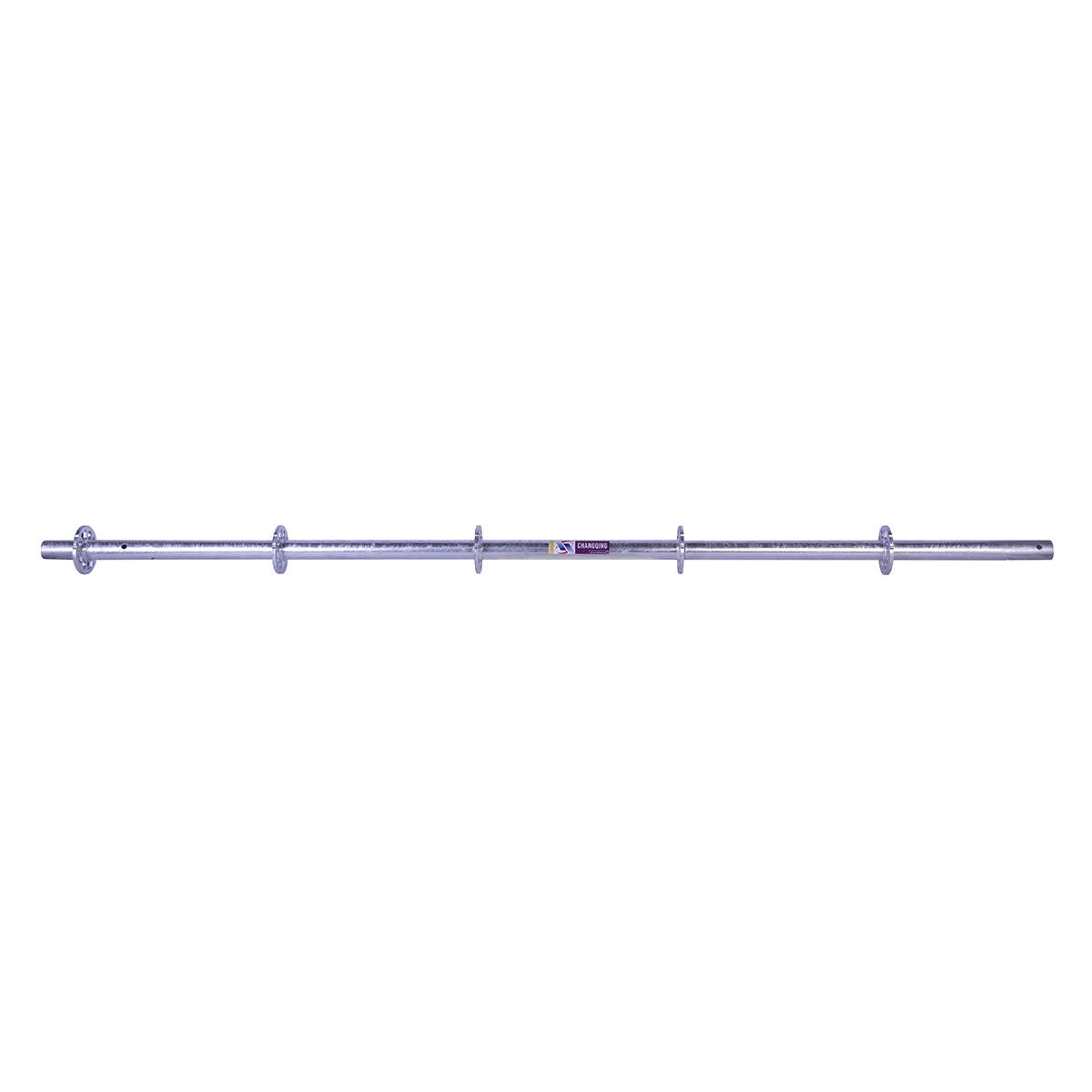
Frame load capacity is a dynamic calculation, not a static number. It depends heavily on environmental and operational factors present at the job site. A reliable Construction scaffold system must hold mandatory certifications. Look for compliance with EN 12810/12811, ANSI/SSFI SC100-5/05, or OSHA standards. You must verify these certificates directly with the issuing bodies to avoid forged documents and ensure genuine compliance.
The system design must account for various dynamic and environmental loads. Dead loads include the weight of the scaffold itself. Live loads account for workers, tools, and stacked materials. Wind loads, severe weather conditions, and potential impacts from nearby heavy equipment also affect stability. Engineering calculations must incorporate all these variables to guarantee safety during the entire project lifecycle.
Wind loading requires special attention, especially for high-rise projects or structures wrapped in debris netting. Netting significantly increases the wind sail area, transferring massive lateral forces to the scaffold. The engineering design must specify the required number and spacing of wall ties to anchor the scaffold securely to the building facade. Failure to install adequate ties is a leading cause of scaffold collapse during storms.
Snow and ice accumulation also add substantial dead weight. In cold climates, the design must account for these seasonal loads. Furthermore, consider the dynamic forces generated by material hoists, concrete pumps, or crane operations near the scaffold. Vibration and accidental impacts can dislodge loose components or weaken connections over time. Regular inspections are mandatory to identify and rectify these issues promptly.
When reviewing load capacity charts provided by the manufacturer, ensure they specify the allowable leg load based on the unbraced length of the vertical standard. The unbraced length is the vertical distance between ledger connection points. Increasing the distance between ledgers reduces the buckling capacity of the standard. Always follow the manufacturer's bracing guidelines to maintain the structural integrity of the system.
Load Type | Description | Design Considerations |
|---|---|---|
Dead Load | Weight of the scaffold components (tubes, planks, stairs) | Accurate material take-offs, self-weight calculations |
Live Load | Workers, tools, stacked materials (bricks, mortar) | Duty rating (light, medium, heavy), uniform distribution |
Environmental Load | Wind, snow, ice, seismic activity | Local weather data, wall tie spacing, netting impact |
Dynamic Load | Vibration from machinery, material hoists, impacts | Secure wedge pin locking, regular node inspections |
Shift your focus from the product to the manufacturer. High-quality equipment means nothing if the company cannot deliver consistently or support the product post-sale. You must audit the Scaffolding supplier thoroughly. Key metrics include factory size, raw material sourcing transparency, and in-house testing laboratories. They should test tensile strength, yield strength, and chemical composition regularly. ISO 9001 certification is a baseline requirement for quality management.
Evaluate the engineering design and CAD support capabilities. The supplier should provide 3D modeling, structural layout drawings, and calculation sheets for complex geometries. Traceability is another critical factor. Batch numbers must be stamped on all primary components. In the event of a failure, you must be able to trace the component back to the specific steel heat and production run.
A physical factory audit is highly recommended for large procurement contracts. Observe the manufacturing workflow firsthand. Check the condition of the stamping presses, welding robots, and galvanizing baths. A clean, organized facility with well-maintained equipment indicates a commitment to quality. Speak with the QA/QC personnel to understand their inspection protocols and defect rejection rates.
Assess the supplier's production capacity and lead times. Construction schedules are unforgiving, and delayed material deliveries can derail an entire project. Verify their inventory levels of standard components and their ability to ramp up production for custom orders. A reliable partner will provide realistic delivery schedules and proactively communicate any potential supply chain disruptions.
Post-sale technical support is equally important. Does the supplier offer on-site training for your erection crews? Do they provide comprehensive technical manuals and assembly guides? Can their engineering team assist with troubleshooting complex scaffold configurations during the project? Choose a partner who views the relationship as a long-term collaboration rather than a one-off transaction.
Project size, location, and transportation logistics heavily influence procurement decisions. Larger or uniquely shaped buildings require meticulous planning and optimized material delivery. Partnering with a manufacturer capable of efficient bundle-packing and shipping is critical. Proper packing prevents damage during transit and simplifies inventory management upon arrival at the site.
Lifespan and reuse rates define the true value of the equipment. A premium galvanized Ringlock scaffolding system outlasts painted alternatives by 10 to 15 years. Precise manufacturing and clean wedge-pin slots also increase speed and efficiency. Lighter high-strength steel reduces worker fatigue, accelerating both erection and dismantling phases.
Consider the handling equipment available at your job site. Bundles of scaffolding tubes and ledgers are heavy and require forklifts or cranes for unloading. The supplier must package the materials in secure, banded bundles that are easy to lift and maneuver. Poorly packaged materials pose a severe safety risk during unloading and lead to bent or damaged components before they even reach the assembly area.
Inventory control on a busy construction site is a logistical nightmare. Lost or misplaced components cause frustrating delays. Work with your supplier to implement a color-coding or tagging system for different component lengths. This visual management technique allows workers to quickly identify the correct parts, speeding up the erection process and reducing assembly errors.
For international shipments, understand the customs regulations and import duties applicable to steel products. Ensure the supplier provides all necessary export documentation, including certificates of origin and packing lists, to avoid delays at the port. Factor in shipping transit times and potential port congestion when developing your procurement schedule.
Deploying scaffolding involves inherent operational risks. You must identify these hazards early and implement strict protocols to protect the workforce and the structure.
Risk 1: Mixing Components. Never mix components from different brands. Slight tolerance differences in rosette slots or ledger heads cause catastrophic node failure.
Risk 2: Inadequate Site Preparation. High-grade systems fail if the ground is not leveled, compacted, and reinforced properly.
Risk 3: Neglecting Safety Protocols. Falls during erection remain a leading cause of fatalities. Workers often lack fall protection before guardrails are locked.
Risk 4: Overloading Platforms. Stacking heavy materials like bricks or concrete blocks beyond the safe working load limit causes plank failure and structural collapse.
Risk 5: Unauthorized Modifications. Workers removing ties, braces, or guardrails to facilitate material movement compromises the entire structure.
To mitigate these risks, enforce a strict "no-mix" policy across your entire equipment fleet. Establish rigorous site-preparation protocols utilizing leveling jacks, base collars, and mud sills. Mandate manufacturer-led assembly training and strict adherence to the technical manual. Compulsory use of Personal Protective Equipment (PPE)—including fall arrest harnesses, helmets, slip-resistant footwear, and safety gloves—is required throughout the installation process.
Implement a daily inspection routine conducted by a competent person. This inspection must verify that all wedge pins are fully driven home, wall ties are secure, and platforms are free of debris. Use a scaffolding tag system (e.g., green for safe, red for unsafe) at all access points to communicate the current status of the structure to all site personnel.
Address the risk of unauthorized modifications through strict site discipline. Only trained and authorized scaffolders should alter the structure. If a trade contractor needs a guardrail removed to load materials, they must coordinate with the scaffolding team to implement alternative fall protection measures during the operation. Safety must never be compromised for convenience.
Here are the immediate steps to take before finalizing your procurement decision:
Request certified mill test reports to verify the Q345 steel grade and 80-micron galvanizing thickness.
Demand physical samples of rosettes and ledger ends to inspect casting quality and wedge pin functionality.
Verify all EN, ANSI, or OSHA compliance certificates directly with the issuing third-party laboratories.
Audit the manufacturer's in-house testing facilities and require batch traceability stamping on all vertical standards.
A: The industry standard for vertical standards is high-strength low-alloy structural steel, specifically Q345 or Q355. This grade provides the necessary yield strength to resist buckling under heavy vertical loads.
A: Hot-dip galvanized scaffolding should have a minimum zinc coating thickness of 80 microns. This ensures long-term protection against internal and external corrosion in harsh environments.
A: No. Mixing components from different manufacturers introduces severe safety risks. Even fractional millimeter differences in manufacturing tolerances can lead to node failure and structural collapse.
A: A captive wedge pin is a locking mechanism permanently attached to the ledger head. It cannot be detached, which prevents workers from losing pins on site and ensures secure connections.
A: Automated or robotic welding provides superior consistency, uniform weld penetration, and reduces defects like porosity or slag inclusion, ensuring stronger and more reliable joints.
A: A reliable system should hold verifiable third-party certifications such as EN 12810/12811, ANSI/SSFI SC100-5/05, or OSHA compliance. Always verify these documents with the issuing bodies.


