
Views: 135 Author: Site Editor Publish Time: 2026-08-24 Origin: Site


Selecting the right finish for your scaffolding fleet goes beyond mere aesthetics. It is a strict operational decision that dictates asset lifespan, maintenance overhead, and job site safety. Project managers and fleet operators constantly face a procurement dilemma. They must balance painted systems against the long-term durability and lower maintenance requirements of hot-dip galvanized alternatives. This guide provides an evidence-based comparison between hot-dip galvanized and painted finishes. We evaluate both options through the lenses of metallurgy, operational risk, and compliance to help you make an informed decision for your infrastructure projects.
Lifespan Discrepancy: Hot-dip galvanized finishes typically offer a 20 to 30-year operational lifespan in moderate environments, significantly outlasting painted alternatives which require frequent touch-ups.
Internal Protection: Galvanization coats both the interior and exterior of the steel tubes, preventing internal structural rot—a critical failure point in painted steel scaffolding.
Connection and Tolerances: Hot-dip galvanizing maintains precise clearances on Ringlock rosettes and wedge pins, whereas paint buildup can clog connection points and hinder rapid assembly.
Inspection Reliability: Galvanized surfaces allow for accurate visual inspections of structural integrity, whereas paint can mask micro-fractures, structural deformation, and sub-surface oxidation.
The metallurgical bonding process of galvanization involves submerging steel in molten zinc at approximately 840°F (450°C). This procedure strictly follows ASTM A123 standards. During submersion, zinc-iron alloy layers form on the steel. These layers include the Gamma, Delta, Zeta, and Eta phases. They provide a robust physical barrier and cathodic protection. The sequence of manufacture is critical here. All rosettes and components must be welded before the hot-dip process. This prevents hydrogen embrittlement and protects the heat-affected zones of the welds. Furthermore, the dipping process ensures complete coverage of internal tube surfaces. This internal coating is vital for long-term structural integrity.
When evaluating a Galvanized Ringlock Scaffolding setup, you must understand how these alloy layers function in the field. The Eta layer is the outermost pure zinc layer, providing the initial defense. Beneath it, the Zeta and Delta layers are actually harder than the base carbon steel. This means when a scaffold tube is dropped on concrete or struck with a hammer during erection, the coating resists gouging. The metallurgical bond ensures the zinc will not peel or flake away from the steel substrate, unlike surface-level coatings.
Standard powder coating and wet painting are common methods used for scaffolding. Paint forms a mechanical bond rather than a chemical or metallurgical one. This inherent characteristic leaves painted surfaces vulnerable to UV degradation, chipping, and moisture penetration. Paint application also has severe physical limitations. Paint cannot reach the internal cavities of standards and ledgers. Consequently, the interior of the steel remains completely exposed to humidity and condensation. Paint accumulation on critical connection zones presents another significant challenge. Buildup in rosette holes and on wedge heads negatively impacts component alignment and assembly speed.
In practical yard operations, painted scaffolding requires constant touch-ups. Workers must wire-brush rusted areas, apply primer, and repaint sections that have chipped during transport. If this maintenance is neglected, moisture creeps under the mechanical bond of the paint, causing sub-surface oxidation. This oxidation expands, pushing the paint off the steel in large flakes, exposing even more bare metal to the elements.
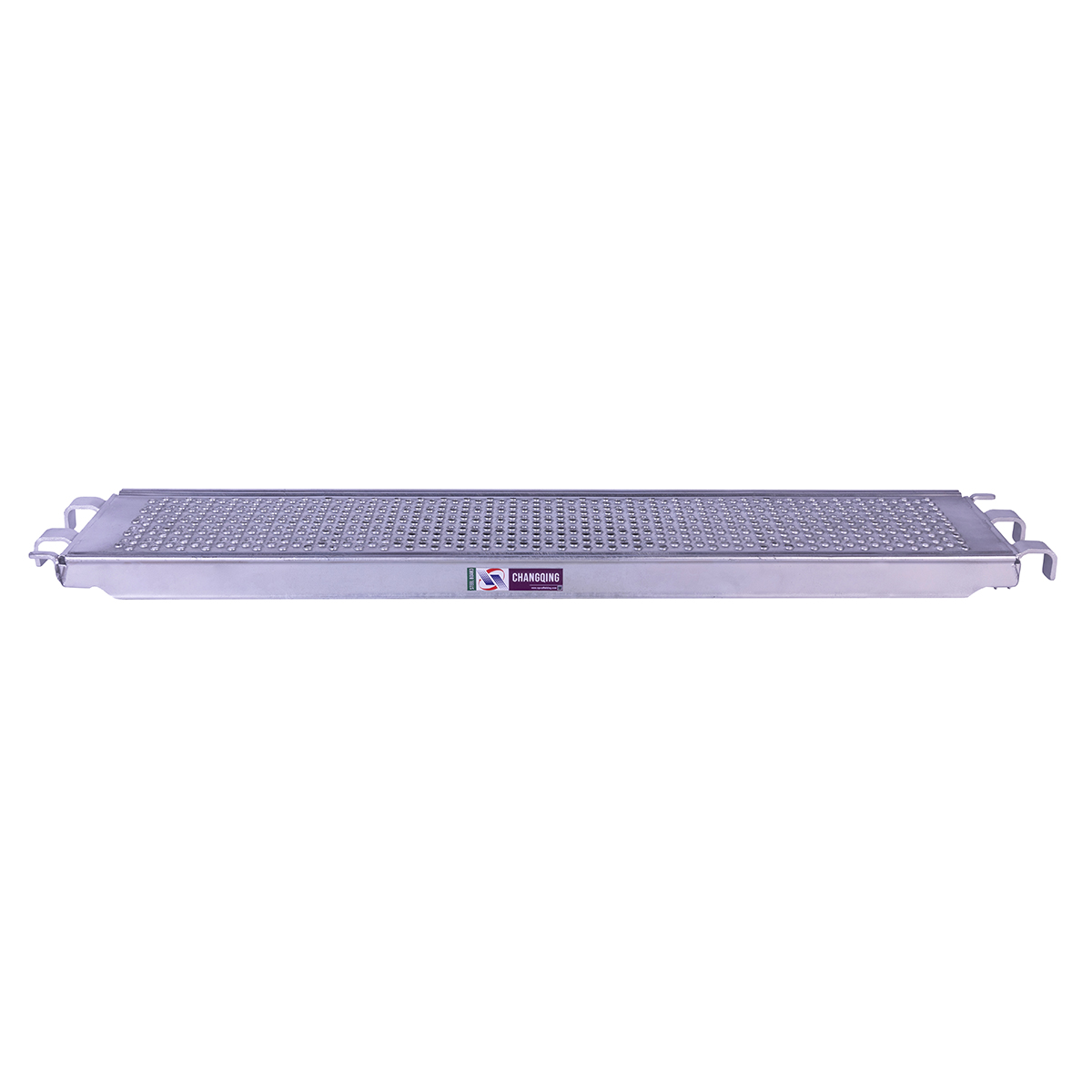
Scaffolding performance varies drastically across high-salinity, high-humidity, and chemically aggressive environments. Standardized salt spray testing, such as ASTM B117, highlights these differences clearly. Corrosion resistant scaffolding often survives over 1,000 hours of testing with minimal degradation. In contrast, painted alternatives typically show failure and red rust creep within 100 to 200 hours. Zinc oxidation forms white rust. This acts as a passive, self-limiting layer protecting the underlying steel. Iron oxidation forms red rust, which continuously flakes off. This flaking compromises the structural wall thickness over time.
For offshore platforms or coastal construction sites, the ambient salt in the air accelerates iron oxidation rapidly. A painted system in these environments will begin showing red rust at the weld joints and connection points within weeks. The sacrificial nature of zinc means that even if the galvanized coating is scratched down to the bare steel, the surrounding zinc will corrode first, protecting the exposed steel from rusting.
Erection, dismantling, transport, and storage subject scaffolding to intense friction and impact dynamics. The zinc-iron alloy layer is exceptionally hard. It is actually harder than the base steel itself. This hardness effectively resists gouging and scraping during rough handling. Painted finishes chip easily upon impact from hammers or standard-to-standard contact. Once chipped, the bare carbon steel is immediately exposed to environmental moisture, accelerating localized corrosion.
Feature | Hot-Dip Galvanized | Painted |
|---|---|---|
Internal Tube Protection | Complete coverage | None (Exposed bare steel) |
Bond Type | Metallurgical | Mechanical |
Impact Resistance | High (Harder than base steel) | Low (Prone to chipping) |
Corrosion Type | Passive white rust | Destructive red rust |
Paint thickness variation directly affects the critical tolerances of rosette-and-wedge connections. Thick or uneven paint layers require excessive hammer force during assembly. A well-manufactured Ringlock scaffold system relies on precise geometry. The controlled zinc layer allows for effortless wedge-pin locking. This minimizes the physical exertion required by scaffolding crews and significantly reduces wear-and-tear on the components during repetitive assembly cycles.
Consider the daily routine of a scaffold erector. When dealing with painted rosettes, they often have to strike the wedge pin multiple times to force it through a paint-clogged hole. This slows down production and increases fatigue. With galvanized components, the pin drops in smoothly and locks with a single, solid hammer strike.
Internal corrosion in painted tubes creates severe safety hazards. "Rust jacking" can compromise load-bearing capacity without showing visible exterior signs. Safety inspectors face difficulties assessing painted equipment. Thick coatings and peeling paint can easily hide micro-fractures, weld cracks, and physical deformations. Galvanized surfaces eliminate these blind spots. Inspectors can clearly identify structural issues without the interference of hidden rust pockets, ensuring a safer work environment.
To properly inspect scaffolding components, follow these steps:
Visually scan the entire length of the standard or ledger for straightness and physical deformation.
Examine the rosette welds for any hairline fractures or signs of stress.
Check the wedge pins to ensure they move freely and are not bent.
Inspect the internal cavity of the tube (if visible) for signs of severe scaling or rust buildup.
Verify that the spigot connects smoothly into the standard without excessive play.
Compliance with OSHA, EN 12810/12811, and ANSI/SSFI standards is non-negotiable. These regulations dictate strict limits on structural degradation and wall thickness. Maintaining the original nominal wall thickness is crucial for predictable load ratings. Steel scaffolding protected by hot-dip galvanization resists rust scaling and metal loss. This preservation ensures the system consistently meets regulatory load-bearing requirements throughout its operational lifespan.
The galvanization process adds a slight weight increase to the components. The zinc coating typically increases the weight by 3% to 5%. This minor addition must be factored into shipping weight calculations and freight logistics. However, this slight increase in Hot dip galvanized scaffolding has a negligible impact on manual handling limits for erection crews on the ground.
Storage requirements differ vastly between the two finishes. Painted scaffolding demands covered, moisture-controlled yard storage. This prevents rapid degradation and internal water pooling. Galvanized assets offer superior logistical flexibility. They can be stored outdoors in the elements year-round. The zinc coating provides robust protection against rain and snow, minimizing the risk of degradation during extended storage periods.
Painted finishes serve specific, controlled applications effectively. They are suitable for short-term, light-duty indoor projects with controlled humidity, such as commercial fit-outs. They are also necessary in environments where zinc contamination must be strictly avoided. Examples include food processing facilities or silicon wafer manufacturing plants. Additionally, custom color-coding requirements for high-visibility hazard zoning or rapid inventory tracking often necessitate painted components.
Galvanized systems excel in demanding, high-utilization environments. They are the standard for commercial rental fleets requiring quick turnaround times and maximum durability. Offshore oil platforms, coastal marine environments, and heavy industrial construction sites rely heavily on Galvanized steel scaffolding. Masonry, concrete shoring, and heavy civil infrastructure projects exposed to abrasive materials also benefit immensely from the rugged nature of these systems.
While painted scaffolding serves niche or indoor applications, hot-dip galvanized scaffolding stands as the objectively superior choice for long-term asset management, safety, and durability. The metallurgical bond of zinc provides unmatched protection against harsh environmental factors and daily handling abuse. To optimize your equipment strategy, take the following steps:
Audit your current scaffolding fleet to identify recurring structural failures and corrosion patterns.
Evaluate the specific environmental harshness of your upcoming long-term projects.
Consult with a technical representative to assess the operational lifespan benefits of transitioning to a fully galvanized system.
Implement a standardized inspection protocol for all incoming and outgoing scaffolding materials.
A: Hot dip galvanized scaffolding typically lasts 20 to 30 years in moderate environments. In severe marine or highly corrosive industrial climates, the life expectancy ranges from 10 to 15 years. This longevity is due to the slow zinc depletion rate, which averages only 1 to 2 microns per year under normal conditions.
A: Yes, the hot-dip galvanization process adds a layer of zinc that increases the total weight of the steel component by approximately 3% to 5%. This slight weight increase is generally negligible for manual handling but should be accounted for in bulk freight calculations.
A: Storing painted scaffolding outdoors is not recommended. Exposure to rain and humidity accelerates rust, especially inside the unpainted internal cavities of the tubes. It requires covered, moisture-controlled storage to maintain its structural integrity.
A: Galvanization provides a uniform, controlled surface thickness. This ensures precise tolerances at the rosette and wedge connections. Unlike painted systems, which can suffer from thick buildup that clogs holes, galvanized components fit together smoothly, requiring less hammer force.
A: No. White rust is a natural oxidation product of zinc. It acts as a passive, self-limiting protective layer that shields the underlying steel. Unlike red rust on bare steel, white rust does not flake off destructively or compromise the wall thickness of the scaffolding tube.


