
Views: 0 Author: Site Editor Publish Time: 2026-11-10 Origin: Site


Bridge rehabilitation projects operate under extreme constraints, where access infrastructure must withstand live traffic vibrations, high wind loads, and complex environmental regulations. Utilizing standard commercial scaffolding for heavy civil infrastructure often results in critical safety failures, delayed project timelines, and costly engineering redesigns mid-project. Selecting the correct engineered access system requires a rigorous evaluation of structural capabilities, modularity, and compliance standards. This guide breaks down the technical criteria for evaluating and deploying reliable access infrastructure for bridge repair. We examine load distribution, environmental containment, and the specific components required to keep crews safe over active highways and waterways.
Engineering First: Bridge maintenance requires site-specific engineering plans; off-the-shelf scaffolding configurations are rarely sufficient for dynamic load requirements or specialized tasks like external prestressing.
Modularity is Critical: A modular scaffolding system for bridge repair reduces erection time and adapts to complex geometries like piers, arches, and suspended decks.
Component Integrity: System stability relies heavily on specialized components—such as the ringlock diagonal brace for stability—to counteract wind shear and traffic-induced vibrations.
Risk Mitigation: Successful deployment hinges on strict adherence to environmental regulations (especially over waterways), pre-commencement engineering approvals, and phased installation to minimize traffic disruption.
Access systems in heavy civil environments function as the primary lifeline for structural integrity and worker safety. The core challenge lies in isolating the work zone from the continuous operation of the infrastructure above or beside the workspace. You must ensure that every scaffold structure remains fully protected from traffic impact zones while maintaining the strict vertical and horizontal clearances required for heavy machinery, commercial trucks, and maritime passage.
Navigating live traffic requires meticulous planning and robust physical barriers. When working on overpasses or suspended decks, you must account for comprehensive containment systems. Bridge rehabilitation often involves lead paint abatement, abrasive blasting, and hydro-demolition. These processes generate hazardous debris, airborne particulates, and high-pH slurry that cannot be allowed to fall onto roadways or enter waterways below. The scaffolding must physically support heavy reinforced polyethylene sheeting, negative air pressure vacuums, and water collection troughs. Adding these containment measures drastically increases the dead weight on the platform and creates a massive wind sail area, both of which must be factored into the initial structural engineering calculations.
Structural load requirements represent the most significant differentiator between standard commercial access and civil-grade infrastructure. A bridge scaffold must support the static weight of crew members, tools, and heavy materials, but it must also absorb intense dynamic forces. When a fully loaded commercial semi-truck hits a bridge expansion joint at highway speeds, the resulting kinetic energy transfers directly through the substructure. If your access platform is anchored to that pier, it absorbs that rhythmic shockwave. Standard facade scaffolding will literally shake its connections loose under these conditions.
When tying into existing bridge structures, you must verify that the connection points can handle the additional load without overstressing the bridge's own load-bearing capacity. You cannot simply drill anchor bolts into prestressed concrete beams without approval from the structural engineer of record, as hitting a post-tensioning tendon can cause catastrophic failure. Rehabilitation techniques often involve staging heavy equipment directly on the deck, such as external prestressing jacks, column jacketing steel forms, or concrete buggies for Ultra-High Performance Concrete (UHPC) link slab pours. This necessitates a highly robust, engineered foundation for your access platforms.
Load Type | Source on Bridge Projects | Scaffolding Design Impact |
|---|---|---|
Static Dead Load | Scaffold components, containment sheeting, fixed equipment. | Dictates base jack sizing and soil bearing pressure requirements. |
Static Live Load | Workers, staged concrete, epoxy mortar, steel plates. | Requires shorter ledger spans and reinforced deck planks. |
Dynamic Wind Load | High-altitude gusts, wind funneled through river valleys. | Demands extensive diagonal bracing and heavy-duty wall ties. |
Dynamic Vibration | Live vehicular traffic, heavy freight trains. | Requires positive-locking node connections that will not back out. |
Choosing between different access methodologies requires a deep understanding of your specific site constraints, environmental regulations, and the exact nature of the structural repairs. Ground-supported systems are typically the preferred choice for pier and abutment repairs, especially when executing bearing seat replacements, concrete spall patching, or seismic retrofitting. These systems offer higher inherent stability and allow for easier material handling via telehandlers or ground-based cranes. However, ground-supported builds are frequently limited by water depth, soft riverbed soil conditions, and strict environmental restrictions regarding wetland disturbance.
Suspended or underslung systems serve as the primary solution for deck repairs, steel girder painting, or over-water access where ground support is physically impossible or legally prohibited. These configurations demand high-level rigging expertise. The complexity lies in distributing the weight of the suspended platform and the construction materials back into the bridge superstructure without point-loading the bottom flanges of the steel girders. Riggers typically utilize heavy-duty beam clamps, wire rope slings, and engineered spreader beams to safely transfer the load.
The adoption of a modular scaffolding system for bridge repair has fundamentally changed how contractors approach complex civil geometries. Fixed tube-and-clamp setups require excessive labor to measure, cut, and level every single connection point, making them highly inefficient for large-scale infrastructure. Modular systems provide the geometric flexibility needed to wrap around curved concrete arches, navigate sloping embankments, and fit into tight clearances around bridge expansion joints.
By utilizing standardized, interchangeable components, project managers can drastically reduce labor hours during both the erection and dismantling phases. This speed is critical when working under tight lane-closure windows mandated by the Department of Transportation (DOT). When you only have a six-hour window at night to shut down a lane, build a platform, and reopen the road before morning rush hour, the speed of modular assembly is the difference between a profitable shift and a massive penalty fine. Implementing engineered scaffolding solutions for bridge projects ensures that the access structure adapts to the bridge, rather than forcing the crew to adapt their work methods to a poorly designed platform.
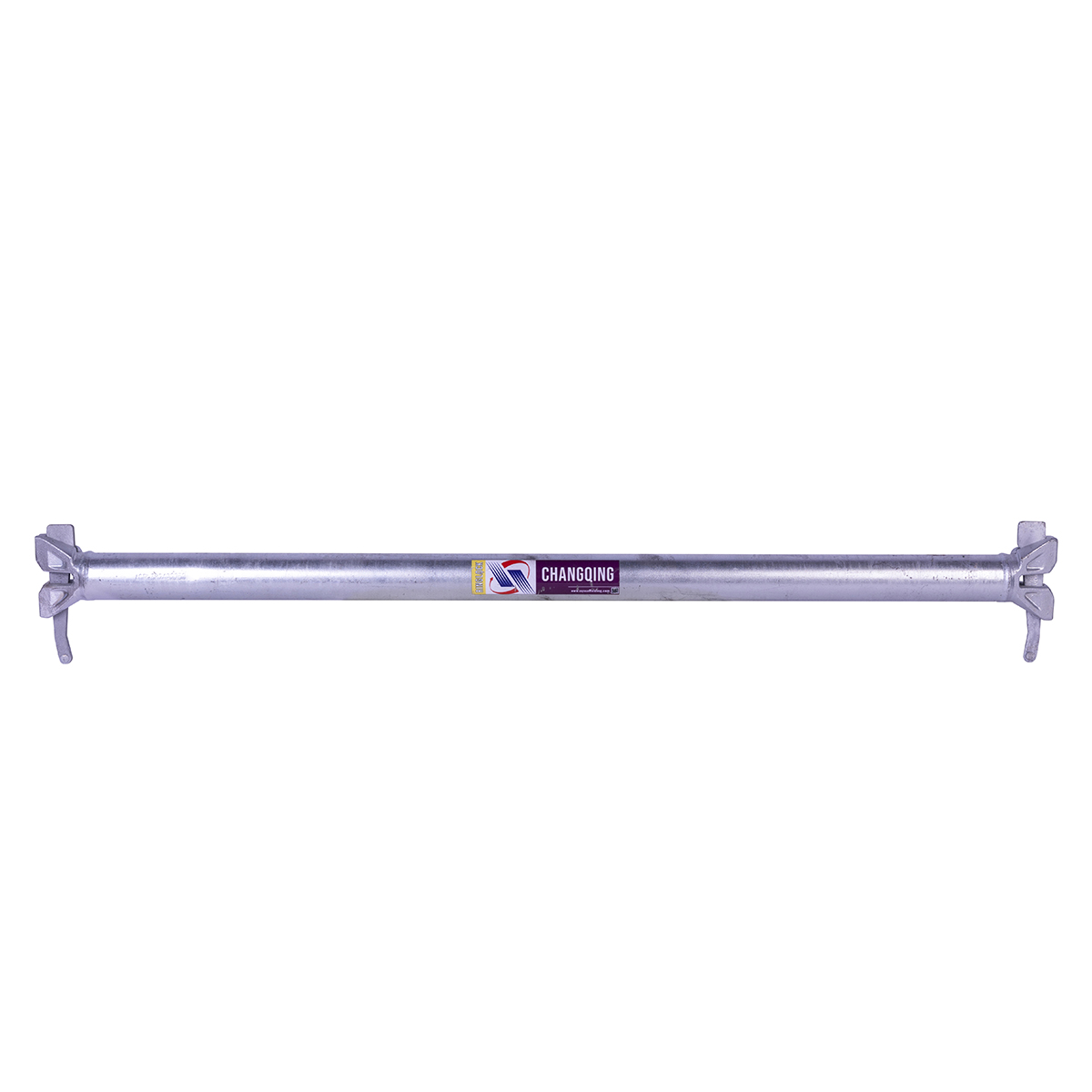
Heavy civil contractors increasingly rely on specialized ringlock scaffolding access platforms due to their predictable structural behavior, high load capacity, and rapid assembly times. The core mechanical advantage of this system is the rosette node connection welded directly onto the vertical standards at regular intervals. This engineered junction allows for up to eight independent connections at a single point. This multi-directional capability enables erectors to build circular enclosures around cylindrical bridge piers or create flared platforms that follow the exact contour of a variable-depth steel girder.
When planning the deck layout, the length of the ringlock ledger for scaffold bays dictates the maximum safe span and the ultimate load capacity of that specific section. For heavy applications like staging UHPC overlays, mixing epoxy grout, or operating heavy rivet-busting pneumatic tools, you must select shorter ledger lengths to prevent deck sagging and ensure the platform remains rigid under concentrated point loads. Matching the ledger dimensions to the specific weight requirements of your bridge preservation tasks ensures that the working surface remains stable, preventing trip hazards and equipment tipping.
Environmental load management remains the final hurdle in structural performance. High winds sweeping through river valleys and the continuous vibration from overhead traffic create massive lateral forces that attempt to push the scaffold out of plumb. The ringlock diagonal brace for stability serves as the primary mechanical defense against these dynamic loads. By creating a rigid, triangulated frame across multiple bays, these braces prevent the racking or sway that leads to structural collapse.
Because bridge environments subject the scaffold to constant kinetic energy, regular inspections of all connections are mandatory. The wedge pins used in ringlock systems are designed to lock securely when struck with a hammer, but extreme, continuous vibration can occasionally cause them to back out if not seated properly.
Inspect all rosette nodes visually to ensure the wedge pin is driven completely through the slot.
Strike the wedge pin with a scaffold hammer during weekly inspections to verify it remains tightly seated against the ledger head.
Check the alignment of the diagonal braces to confirm they are transferring lateral loads directly down to the base jacks.
Examine the base jacks and mudsills for any signs of settlement or soil washout, especially after heavy rain or river flooding.
Verify that all mechanical ties anchoring the scaffold to the bridge pier remain tensioned and free of stress fractures.
Logistics and regulatory compliance dictate the pace of bridge rehabilitation projects long before the first piece of steel is erected. You must secure all necessary engineering approvals before mobilizing equipment to the site. This process requires submitting detailed, stamped drawings from a licensed Professional Engineer (PE) that account for every component, load path, wind sail area, and environmental condition. Transportation authorities will demand these documents for review, and they enforce a strict phased inspection schedule. Authorized DOT inspectors must approve the structure at various stages of completion before any construction personnel are allowed onto the deck.
Managing installation timelines over active infrastructure is a constant balancing act. When working over interstate highways, erection often occurs exclusively during night-time hours to minimize traffic disruption. These restricted schedules demand a highly trained crew capable of working efficiently in low-light, high-pressure environments. You must coordinate lane closures, setup temporary lighting, and manage the delivery of scaffold components using flatbed trucks that must enter and exit the active work zone safely.
When building over waterways, you face an entirely different set of hazards. You must contend with fluctuating tidal changes, the potential for massive debris accumulation during flood stages, and strict Coast Guard regulations regarding navigable channels. Cantilever installation methods allow crews to extend access platforms outward from a bridge pier over the water without placing any vertical supports into the riverbed. This avoids triggering lengthy environmental permitting processes for riverbed disturbance, but cantilever builds require advanced training, counterweight calculations, and specialized rigging equipment to execute safely.
Logistical Hazard | Impact on Erection | Mitigation Strategy |
|---|---|---|
Navigable Waterways | Cannot block boat traffic with vertical scaffold legs. | Utilize underslung suspended systems or cantilevered modular bays. |
Restricted Lane Closures | Only 4 to 6 hours available for erection per night. | Pre-assemble components on the ground; use cranes to lift large sections. |
High-Speed Traffic | Risk of vehicle collision with scaffold base. | Install temporary concrete jersey barriers and crash attenuators. |
Environmental Runoff | Slurry and debris falling into protected wetlands. | Integrate reinforced poly sheeting and negative air pressure containment. |
Procuring scaffolding for bridge maintenance requires a strict evaluation of equipment rental versus capital purchase. This decision depends entirely on the duration, scope, and frequency of your maintenance contracts. For short-term emergency repairs or one-off joint replacements, rental provides the flexibility to source project-specific components without absorbing the overhead of long-term storage, maintenance, and depreciation. You simply return the gear when the bridge is reopened.
For multi-year preservation programs or contractors who specialize exclusively in heavy civil infrastructure, purchasing standard modular components lowers long-term operational costs. Owning the vertical standards, ledgers, and diagonal braces allows you to mobilize immediately for emergency DOT contracts. However, ownership requires a dedicated yard facility for inspecting welds, cleaning concrete splatter off the rosettes, and managing inventory tracking.
Labor efficiency represents the largest variable cost in bridge access. Using legacy tube-and-clamp systems that require complex field modifications leads to excessive man-hours and increased exposure to safety risks. Modern modular systems require a higher initial material investment, but they offer massive financial savings by reducing the time specialized crews spend turning wrenches on site.
Erection Speed: Modular rosette connections allow erectors to lock in ledgers and braces with a single hammer strike, cutting assembly time in half compared to bolted clamps.
Reduced Rework: Standardized bay lengths force the structure to remain square and plumb, eliminating the need to tear down and rebuild sections that drift out of alignment.
Training Efficiency: Crews learn modular systems faster due to the limited number of connection types, reducing the learning curve for new scaffold builders.
Dismantling Savings: Stripping the scaffold at the end of the project is significantly faster, allowing you to clear the lane closures and demobilize ahead of schedule.
Standard commercial scaffolding cannot safely support the dynamic loads, heavy materials, and complex geometries inherent to bridge rehabilitation. Engineered, modular systems are a strict requirement for modern civil infrastructure projects. Your procurement strategy must prioritize systems with certified load capacities, positive-locking node connections, and robust in-house engineering support, as these factors directly dictate the safety of your crews and the profitability of your operations.
To ensure success on your next bridge rehabilitation project, execute the following steps:
Initiate a comprehensive site survey with a professional scaffolding engineer to identify specific live load requirements, wind exposures, and environmental hazards.
Draft preliminary access drawings and verify the proposed tie-in locations against the bridge's original structural as-built records.
Review your hydro-demolition and paint abatement containment requirements to ensure the added dead weight is integrated into the initial scaffolding design phase.
Confirm the availability of certified scaffold erectors who possess documented training in the specific modular system you plan to deploy over active traffic.
A: Modular systems, particularly those utilizing a ringlock design, are widely considered the safest option. They offer high load capacities, rigid node connections, and superior adaptability to complex bridge geometries compared to traditional tube-and-clamp methods.
A: Over-water access is typically achieved by suspending the scaffolding from the bridge deck using specialized rigging and cantilever methods. If water depth and environmental regulations permit, some projects may use temporary piles, but suspended systems are more common to minimize environmental footprint.
A: Modular systems significantly reduce the time needed for erection and dismantling. They utilize standardized, high-capacity components that can easily navigate obstacles such as piers, arches, and sloping embankments, leading to better labor efficiency and fewer field modifications.
A: The diagonal brace provides essential lateral stability. It prevents the scaffold structure from swaying or collapsing under high wind loads and the continuous vibrations caused by live traffic on the bridge deck.
A: Professional structural engineers calculate these capacities by assessing the length of the ledger, the anticipated weight of materials—such as epoxy or prestressing equipment—and environmental forces like wind and vibration. These calculations are then reflected in the stamped engineering drawings.
A: Yes, nearly all municipal and federal transportation authorities require scaffolding plans to be designed, reviewed, and stamped by a licensed Professional Engineer. This is mandatory to ensure structural safety and compliance before any rehabilitation work begins.


